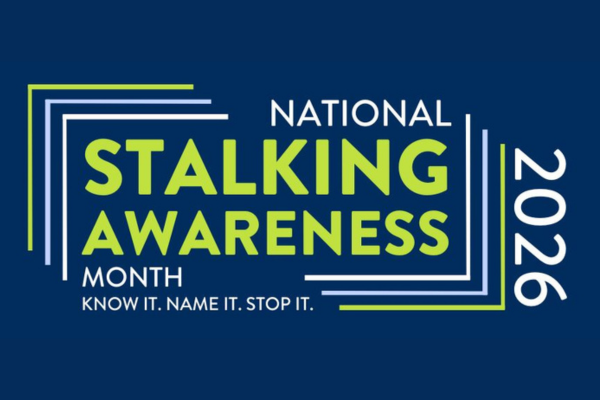
January is National Stalking Awareness Month (NSAM)—a time to bring visibility to a form of abuse that is far more common than many people realize, yet often minimized, misunderstood, or left unnamed.
In the United States, more than 1 in 5 women and approximately 1 in 10 men experience stalking in their lifetimes. Despite these numbers, stalking is frequently dismissed as “annoying,” “harmless,” or “just unwanted attention.” In reality, it can be frightening, dangerous, and deeply disruptive to a person’s sense of safety.
What Is Stalking?
Stalking is a pattern of behavior directed at a specific person that causes fear or emotional distress. It is not a single incident, but repeated actions that may escalate over time.
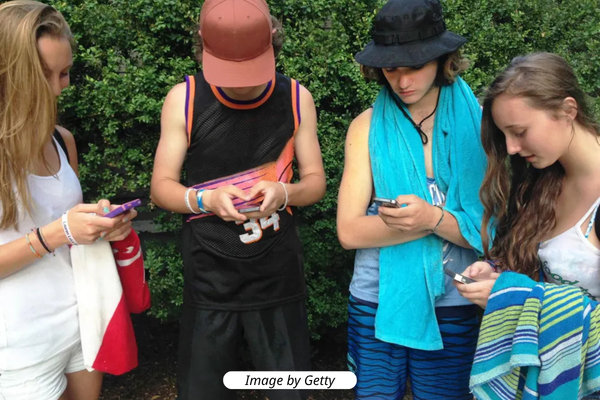
Most survivors are stalked by someone they know—a current or former partner, acquaintance, coworker, or friend. Stalkers often use a combination of in-person behaviors and technology to monitor, contact, threaten, intimidate, or manipulate. This can include repeated messages, showing up uninvited, tracking someone’s location, or using social media and digital tools to maintain control.
Why Awareness Matters
Stalking is not only invasive—it can be life-threatening:
- Stalking increases the risk of intimate partner homicide by three times.
- One in five stalking cases involves the use of weapons.
These realities underscore why stalking must be taken seriously, believed, and addressed early. Naming stalking for what it is helps survivors seek support and helps communities respond with care instead of dismissal.
Support and Resources
Learn more about stalking awareness and safety.
If you or someone you know is experiencing stalking, it’s important to know that help is available. At The Retreat, we offer a range of free, confidential services to support survivors:
- 24-Hour Bilingual Hotline: Call 631-329-2200 for immediate support, any time of day or night.
- Safety Planning: Personalized safety plans to help reduce risk and increase control.
- Legal Support: Assistance with legal advocacy and orders of protection.
- Counseling: Confidential counseling services for survivors.
Help us raise awareness of stalking and the seriousness of its impact. It takes all of us—advocacy and support services, legal systems, survivors, and their friends and family—working together to better recognize, respond to, and prevent stalking in our communities.