October 19, 2026 | The New York Community Trust
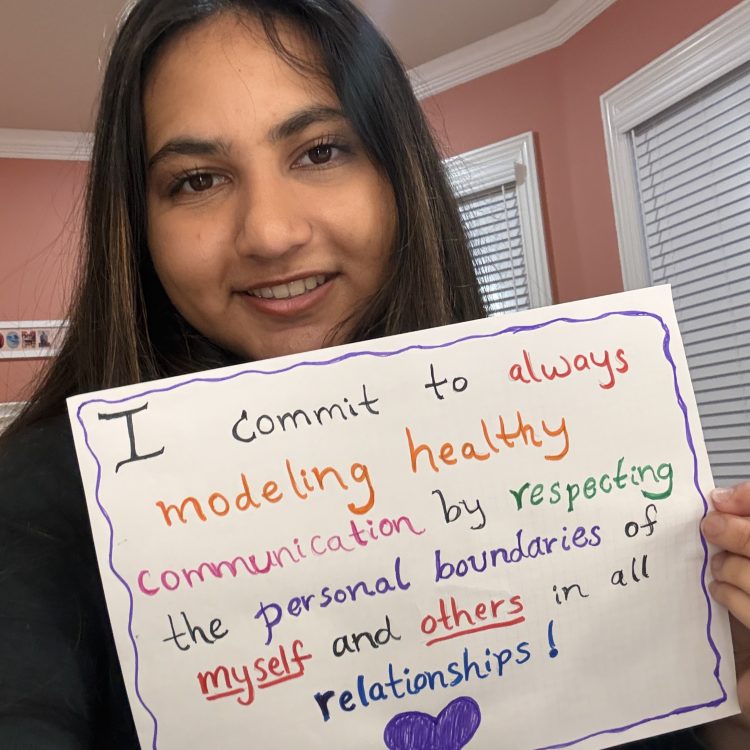
Teen Leadership Council at The Retreat.
High school seniors Bhoomi Jobanputra and Isla Robbins are helping their peers across the region stay safe in their relationships and on social media.
Over informal weekly Zoom sessions, they talk with fellow teens about relationship red flags (e.g., “love bombing” and stalking) and green flags (e.g., asking for consent). They talk about developing a healthy body image and protecting themselves from harmful social media use. They dig into topics like how Snapchat’s friend lists can be toxic, and how group chats might be filled with people you don’t know.
They explore safe practices, how to ask for help, and how to be a helpful bystander.
“We make the space very relatable,” Jobanputra said. “We play our own music, we talk about our different school cultures, we take questions that can be submitted anonymously.”
Robbins and Jobanputra are part of the Teen Leadership Council at El Retiro, a Long Island nonprofit that supports people affected by domestic violence, abuse, sexual assault, and human trafficking.
With Trust support, The Retreat developed programming to address harms social media causes for young people, including doubling their risk of anxiety, depression, and negative body image. A current Trust grant is helping the nonprofit address technology-related risks, such as cyber-bullying, sexual exploitation, and the non-consensual sharing of private images. In addition to delivering digital safety workshops to teens and providing professional development training for adults who work with young people, The Retreat is sharing digital safety resources developed by youth leaders.
“Engaging the Teen Leadership Council to talk about digital harms and safe use is such a smart approach, because we know that the people who are most affected by these issues can help create powerful solutions,” said Melissa Greenberger, a Trust program director. “We also know that teens listen to each other and are more likely to reach out to their peers for help.”
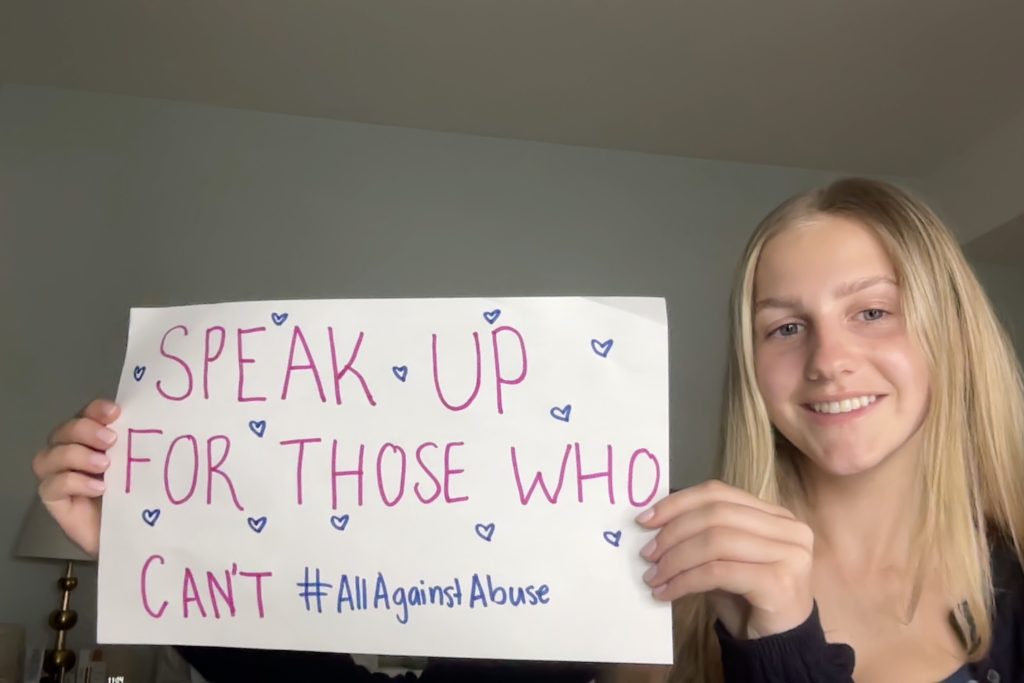
Robbins agrees.
“It’s important to talk about these things with peers,” she said. “When you hear it from a health teacher, it can feel a bit textbook. In our discussions, it’s more natural and realistic.”
In addition to consulting with teachers, law enforcement, and physicians, the nonprofit’s staff take guidance from its youth leaders to develop educational content that supports its harm-reduction programs. These conversations are critical to developing programming that responds to a quickly evolving landscape. Young people’s answers to questions like “What are you seeing on the ground? What are your friends doing?” inform program development.
The Retreat’s digital harm-reduction program is a leading model in a field that is about to see increased funding. The recent $17 billion Meta settlement in response to claims brought by state attorneys general that its products fuel teen social media addiction will support youth mental health services, education, and digital literacy programs across the country. The media company has also promised a slate of measures—including time limits, night and school blocks, restrictions on using beauty filters, and easier-to-use parental controls—designed to curb some of the more harmful features of their products.
“The restrictions won’t work alone,” said Jobanputra, who has seen firsthand the impact of peer-led programming and support services. “You need the tools to make smart choices.”
The Trust’s grants to The Retreat are fueled by the Greentree Foundation Fund, Long Island General Fundy Suzy’s Fund, all of which were created at The Trust to help Long Islanders thrive for generations to come.